What Is Body Corporate Insurance?
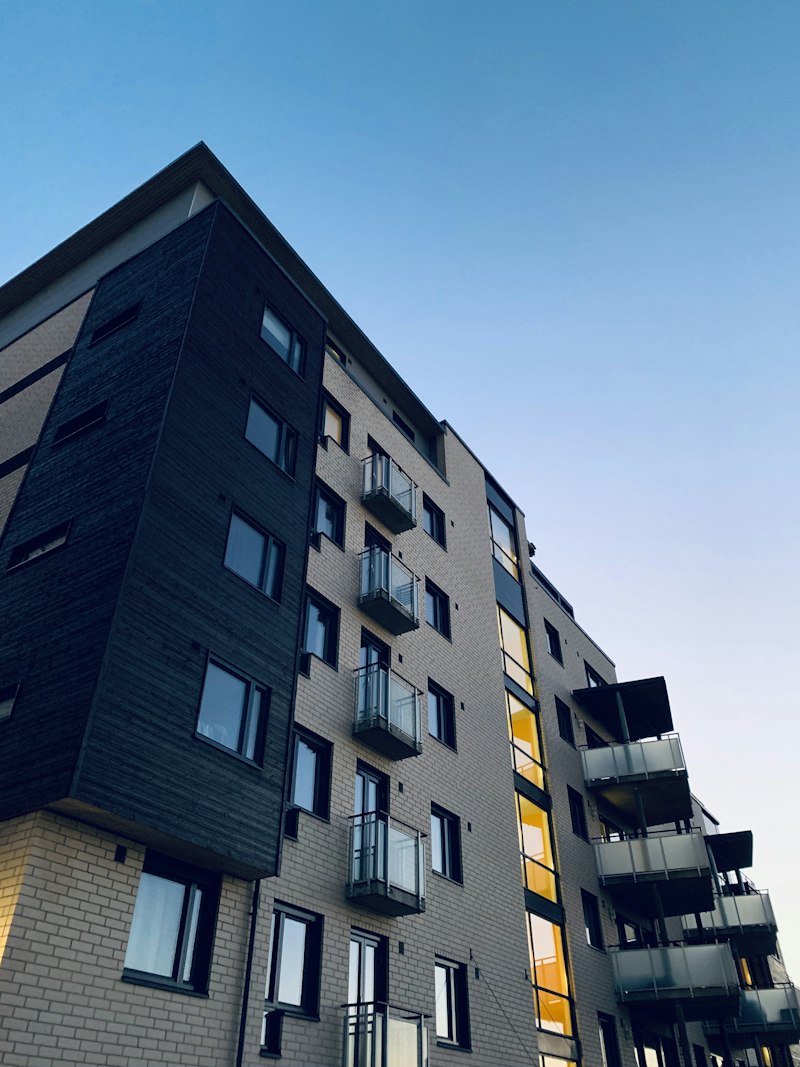
Body corporate insurance, also called "master" or "buildings" insurance, is buildings insurance arranged for an entire apartment building or unit complex. Unlike individual homeowners who arrange their own insurance, apartment owners share a collective buildings insurance policy managed by the body corporate (or body of owners).
Body corporate insurance is one of the most important protections for apartment communities in New Zealand. It covers the building structure and common areas, protecting the investment of all unit owners simultaneously.
How Body Corporate Insurance Works
Who Arranges Body Corporate Insurance?
The body corporate (the collective of all unit owners) arranges master buildings insurance covering the entire building structure. This is typically coordinated by the body corporate's committee or through a managing agent. The cost is shared among all unit owners as part of their body corporate levy.
What's Covered
Body corporate buildings insurance typically covers:
- Building structure (walls, roof, floors)
- Common areas (hallways, lifts, stairs)
- Exterior elements (balconies, fences, decks)
- Shared facilities (pools, gyms, parking)
- Building systems (plumbing, electrical, heating)
- Permanent fixtures in common areas
What Individual Unit Owners Must Cover
Unit owners are responsible for insuring their own:
- Personal contents (furniture, electronics)
- Internal fixtures (kitchen cabinets, bathroom fittings)
- Improvements or alterations they've made
Body Corporate Obligations and Legal Requirements
Legal Duty to Insure
Under New Zealand property law, bodies corporate have a legal obligation to arrange buildings insurance on the structure. This is not optional – it's a mandatory requirement to protect unit owners' investments.
Insurance Adequacy
The body corporate must ensure the insurance sum insured is adequate to cover rebuild costs if the entire building is destroyed. Underinsurance puts all unit owners at financial risk.
EQC Coverage for Body Corporates
Just like residential homes, apartment buildings are covered by the Earthquake Commission (EQC/Toka Tu Ake). However, for apartments, EQC cover is typically capped at $300,000 per unit (not per building). Bodies corporate must understand how EQC interacts with their master insurance and arrange additional cover if needed.
Types of Body Corporate Insurance Coverage
Full Replacement Value
Full replacement cover (indemnity) means the insurer will pay rebuild costs as determined at claim time. This is generally recommended for body corporates because apartment buildings are complex and rebuild costs can be substantial and unpredictable.
Agreed Value
Some body corporates use agreed value where the rebuild cost is estimated and agreed with the insurer upfront. This requires accurate valuations but provides certainty about coverage limits.
Optional Coverage Options
Many body corporate policies include or offer optional coverage for:
- Loss of rent cover: Important if the building includes rental units
- Temporary accommodation: For residents displaced during repairs
- Legal costs: Coverage for disputes or legal issues
- Natural disaster extension: For earthquake or other natural disaster damage above EQC limits
- Breakdown cover: For building system failures
Challenges with Body Corporate Insurance
Underinsurance Risk
Many body corporates are underinsured because they don't regularly revalue their buildings. Building costs rise significantly over time, and aging buildings may have hidden repair needs that increase rebuild costs. Underinsurance means unit owners could face special levies to cover uninsured losses.
Shared Risk and Responsibility
All unit owners share the risk and responsibility. A single claim affects all owners through increased premiums or levies. Some owners may be careless about fire safety or damage prevention, affecting insurance costs for everyone.
Insurance Premium Increases
Body corporate insurance premiums have risen significantly in recent years. Factors include:
- Rising building and reconstruction costs
- More frequent natural disasters and severe weather
- Increased earthquake risk assessments
- Claims history of the specific building
- Age and condition of the building
Body Corporate Maintenance and Insurance
Connection Between Maintenance and Insurance
Poor building maintenance increases insurance claims and premiums. Well-maintained buildings have fewer damage claims and better insurance terms. The body corporate's responsibility to maintain the common areas directly impacts insurance costs.
Common Maintenance Issues Affecting Insurance
- Roof leaks leading to water damage
- Electrical system failures
- Plumbing issues and burst pipes
- Poor drainage causing foundation damage
- Fire safety system failures
Regular Valuation Updates
The body corporate should arrange professional building valuations every 3–5 years to ensure insurance sums insured remain adequate. A property valuation expert assesses the cost to rebuild the building from scratch, which is the true insurance requirement.
Individual Unit Owner Responsibilities
Understanding Coverage Gaps
While the body corporate insurance covers the building structure, individual unit owners must understand what's NOT covered by master insurance:
- Interior fixtures and improvements made by the owner
- Personal contents and belongings
- Owner-installed modifications (kitchen renovations, etc.)
- Landlord protection (for investment unit owners)
Individual Contents Insurance
All unit owners should have contents insurance to cover their personal belongings. This is separate from the body corporate's master insurance and provides essential protection.
Landlord Coverage for Investment Units
If you own an apartment as a rental investment, arrange separate landlord buildings insurance for your improvements and additional protection beyond what the body corporate provides. Some body corporate policies exclude landlord-specific cover.
Getting the Best Body Corporate Insurance
Regular Quotes and Comparison
The body corporate committee should review insurance quotes regularly. Different insurers offer different terms, and competitive shopping can save significant money.
Working with Insurance Brokers
Many body corporates engage specialist insurance brokers who understand apartment insurance complexities. A broker can negotiate better terms and ensure appropriate coverage.
Risk Management Practices
Demonstrating good building management and maintenance practices can improve insurance terms. Insurers reward well-managed buildings with better premiums.
Regular Reviews
Insurance needs change as buildings age and damage histories evolve. The body corporate should review insurance annually and conduct comprehensive reviews every few years.
Special Considerations for Apartment Communities
Mixed-Use Buildings
If the building includes commercial spaces, residential units, or mixed uses, insurance becomes more complex. Different coverage may apply to different areas, and careful coordination is essential.
Heritage or Historic Buildings
Historic apartment buildings may have higher insurance costs and require specialist coverage to account for restoration requirements that exceed standard rebuild costs.
New vs. Aging Buildings
Newer buildings may have lower insurance costs, while older buildings face higher premiums and potentially more comprehensive coverage requirements due to age-related risks.
Understanding Your Body Corporate Documents
Insurance Information in Disclosure Documents
When purchasing an apartment, review the body corporate disclosure documents for insurance information:
- Current insurance details
- Coverage limits and sums insured
- Recent claims history
- Insurance premium trends
- Body corporate levy history
Questions to Ask
Before purchasing an apartment, ask:
- Is the building adequately insured?
- When was the last professional valuation done?
- What's the recent claims history?
- Are premiums trending up significantly?
- Is earthquake cover adequate?
- Has there been recent water damage or other issues?
Common Issues and Disputes
Special Levies for Underinsurance
If the body corporate is underinsured and a major claim occurs, unit owners may be asked to pay special levies to cover the shortfall. This can be expensive and creates conflict among owners.
Disputes Over Coverage
Disagreements sometimes arise about whether specific damage is covered. Having clear insurance documentation and professional claims management helps resolve disputes fairly.
Premium Affordability
Rising insurance premiums affect body corporate levies and unit owner costs. Some communities struggle with premium affordability while needing to maintain adequate coverage.
Conclusion
Body corporate buildings insurance is essential protection for apartment communities in New Zealand. It protects the collective investment of all unit owners while also protecting individual owner interests. Bodies corporate must ensure insurance is adequate, regularly reviewed, and responsive to building changes. Individual unit owners should understand what's covered by body corporate insurance and arrange supplementary insurance for contents and personal improvements. Whether you're a body corporate committee member or an apartment owner, understanding how body corporate insurance works is crucial for protecting your property investment and financial security.
Share this article
James Thornton
Insurance expert with extensive knowledge of New Zealand property protection and buildings insurance coverage.
View More Articles →